



1.jpg)
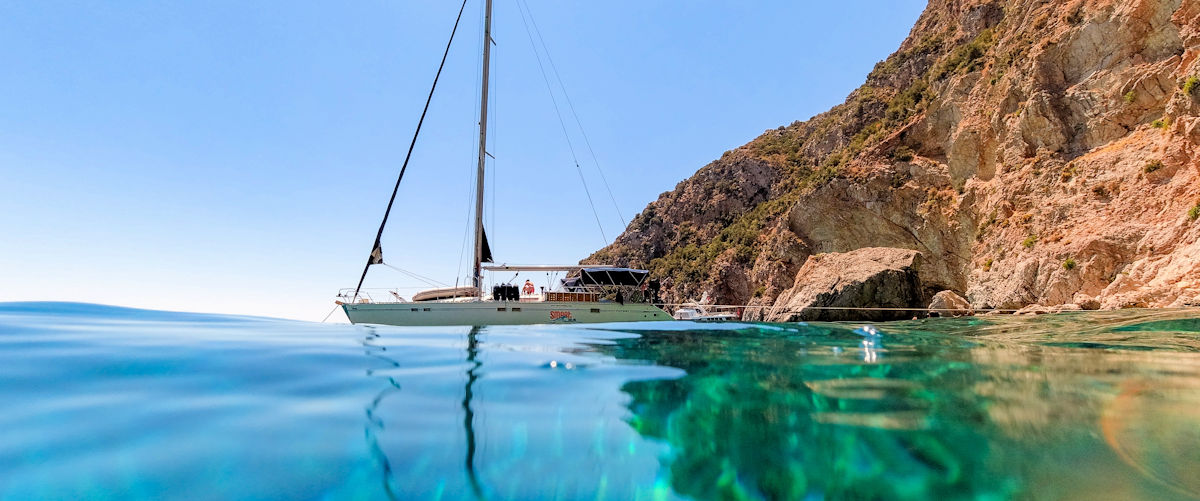
If you are searching for IYT sailing courses Marmaris because you have little or no sailing experience, the first question is usually not "Which licence should I get?" but rather "Where should I start?"
The good news is that you do not need to arrive as an experienced sailor. A well-structured IYT training pathway allows beginners to start with the fundamentals, develop practical boat-handling skills and progressively take on more responsibility aboard a yacht.
At Smart Sailing Academy, the progression can include IYT International Crew, Flotilla Skipper and Bareboat Skipper, with more advanced options such as IYT Yachtmaster for sailors who continue developing their experience.
This guide explains what each level is designed to teach, what a complete beginner can expect during the first week, how the progression works and how to choose the right starting point.
Why Choose IYT Sailing Courses in Marmaris?
Marmaris and the surrounding South Aegean provide a genuine cruising environment for practical sailing education. Instead of learning boat handling only in a classroom or during a short afternoon trip, students can practise navigation, sail handling, anchoring, manoeuvring and passage planning while travelling between real destinations.
For anyone researching an IYT certified sailing school Marmaris, the practical training environment should be an important consideration.
A sailing qualification is valuable, but the objective should be more than simply obtaining a certificate. You should finish your course understanding how the yacht behaves, how to prepare for a passage, how to communicate with your crew and how to make conservative decisions when conditions change.
The Beginner IYT Progression in Marmaris
For a complete beginner, the progression can be understood as three practical stages:
- International Crew: learn how to become a competent and useful crew member.
- Flotilla Skipper: develop the knowledge and practical ability to take greater responsibility for a yacht within a flotilla environment.
- Bareboat Skipper: progress toward independently commanding a suitable charter yacht within the qualification's limitations.
Smart Sailing's International Crew programme provides a foundation in practical sailing, safety, seamanship and yacht handling before progressing to higher skipper qualifications.
Important: Course entry requirements and licence requirements are not always the same thing. Always check the current IYT requirements and the specific conditions of the qualification before booking.
Week 1: What Does a Complete Beginner Actually Learn?
A beginner's first week should be practical, structured and repetitive. The goal is not to turn you into a solo skipper in seven days. The goal is to give you a reliable foundation and help you become comfortable working aboard a sailing yacht.
1. Nautical Terminology
You begin by learning the language of the boat. Port, starboard, bow, stern, windward, leeward, tack, gybe, sheet and halyard quickly become part of your everyday vocabulary.
Clear terminology is particularly important during manoeuvres because it allows the skipper and crew to communicate quickly and accurately.
2. Safety and Emergency Procedures
Safety comes before sailing performance. Beginners learn how to move safely around the yacht, use safety equipment and understand basic emergency procedures.
- Lifejackets and personal safety
- Man-overboard procedures
- Basic emergency communication
- Fire and equipment awareness
- Safe deck procedures
The objective is not to make you afraid of the sea. It is to replace uncertainty with preparation and knowledge.
3. Basic Sail Handling
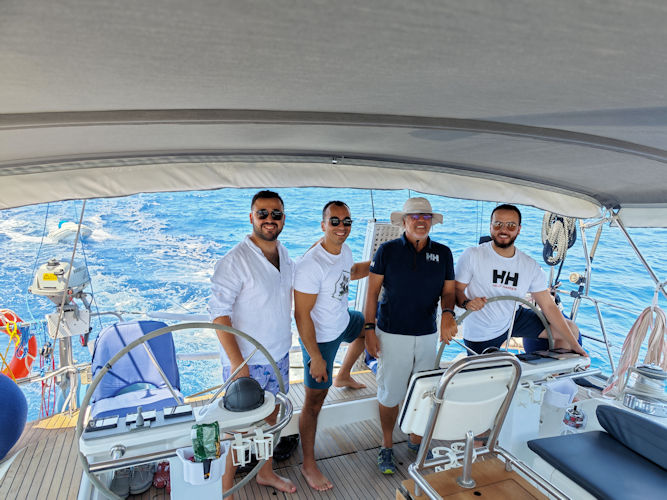
You learn how the sails work, how to raise and lower them, how to trim them and how the yacht responds to different points of sail.
Repetition is essential. After several manoeuvres, the relationship between wind direction, sail position and boat movement becomes much easier to understand.
4. Steering and Boat Handling
One of the biggest confidence-building moments for beginners is discovering that the yacht responds predictably when you understand what the wind, rudder and sails are doing.
Students practise steering under sail and under power, basic turns, speed control and communication with the rest of the crew.
5. Knots and Rope Work
Knots are not simply an examination subject. They are practical tools that you will use every day aboard a yacht.
Beginners should become comfortable with the basic knots and rope-handling techniques required for sailing, mooring and anchoring.
What Licence Do You Have After Each IYT Level?
This is one of the most common questions from people researching sailing certification Turkey.
International Crew
International Crew is designed to develop the skills required to become an active and competent crew member aboard a sailing or power yacht.
It provides a foundation in nautical terminology, safety, passage planning, rope work, weather, basic sail handling, man-overboard procedures, deck seamanship and yacht-handling skills.
Think of this as your foundation rather than a skipper qualification.
International Flotilla Skipper
The Flotilla Skipper level moves the student toward greater watchkeeping and skipper responsibilities in a flotilla environment.
In a flotilla, several yachts travel together under the coordination of a lead boat. This provides a useful bridge between being crew and taking responsibility for a yacht.
International Bareboat Skipper
Bareboat Skipper is the level most relevant to sailors who want to progress toward chartering a suitable yacht without a professional skipper, subject to the charter company's requirements and the limitations of the qualification.
An important distinction for beginners is that participating in the Bareboat Skipper course does not itself require a minimum number of sea miles.
The required sea mileage relates to obtaining the licence/qualification rather than simply enrolling in the training course. At Smart Sailing Academy, our two-week sailing programmes normally cover more than 300 nautical miles, giving students substantial practical experience during the training voyage.
Important distinction: Do not confuse the requirements for attending the course with the requirements for obtaining the final licence. Always check the current IYT requirements applicable to your qualification.
What Does a Beginner's Week in Marmaris Actually Look Like?
A typical training day combines theory with practical sailing. Rather than spending the whole day sitting in a classroom, students can immediately apply what they have learned aboard the yacht.
- Morning safety and weather briefing
- Passage planning and navigation
- Leaving the marina or anchorage
- Practical sail handling
- Steering and boat manoeuvring
- Anchoring or mooring practice
- Navigation exercises
- Review and preparation for the following day
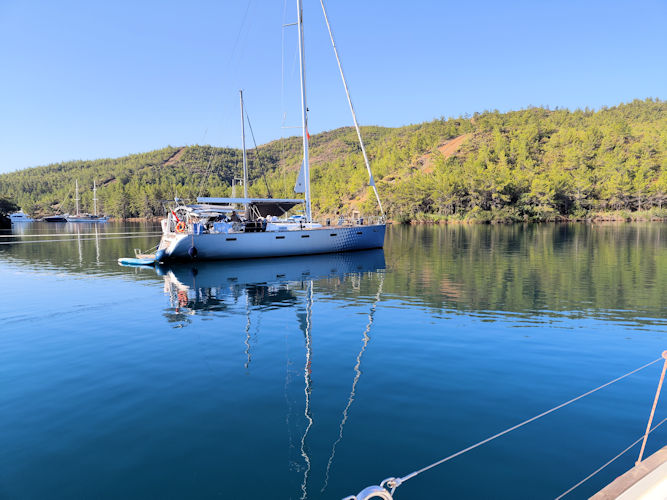
Depending on the programme and weather conditions, training voyages can visit areas such as Hisaronu, Datca, Gokova, Gocek and Fethiye. The exact route is always determined by safety, weather and training objectives.
Which IYT Course Should a Beginner Choose?
Choose International Crew if:
- You are completely new to sailing.
- You want to learn the fundamentals before taking skipper responsibility.
- You want to become a confident and useful yacht crew member.
- You want to build a strong foundation before progressing further.
Choose Flotilla Skipper if:
- You already understand basic sailing.
- You want more responsibility aboard the yacht.
- You like the idea of cruising as part of a group.
- You want a practical progression toward skipper-level sailing.
Choose Bareboat Skipper if:
- You have the appropriate foundation and practical experience.
- Your goal is independent yacht chartering.
- You want structured navigation and skipper training.
- You are prepared to take responsibility for the yacht and crew.
Upcoming IYT Sailing Course Dates in Marmaris
Our sailing courses run throughout the season, with new course dates added regularly. Because availability and sailing schedules can change according to weather, operations and bookings, we recommend checking our live schedule for the latest available dates.
Check Our Latest Sailing Course Dates
View the current Smart Sailing Academy schedule, upcoming IYT courses, sailing training programmes and available starting dates.
View Upcoming Sailing Course DatesIf you are specifically looking for IYT sailing courses in Marmaris, check the schedule before making travel arrangements. Programmes may include one-week and two-week sailing training, while routes can vary according to weather and operational conditions.
Why Marmaris Is Useful for Beginner Sailing Training
A beginner needs more than calm water. You need opportunities to practise different skills without making the learning environment unnecessarily complicated.
The South Aegean provides a useful combination of sheltered anchorages, coastal passages, marinas and open-water sailing. This allows instructors to adapt training to the student's ability and the day's weather.
For an IYT certified sailing school Marmaris comparison, the practical cruising environment can be more important than simply comparing classroom hours.
What About IYT Yachtmaster in Marmaris?
Yachtmaster is not normally where a complete beginner should start. It is a progression for sailors who have already developed practical experience and want to take their navigation, seamanship and skipper skills further.
Smart Sailing offers IYT Yachtmaster Coastal and other Yachtmaster-level training options. The appropriate level depends on experience, sea time and the candidate's objectives.
What About an ICC Sailing Certificate in Turkey?
Students researching a sailing licence Marmaris or an ICC sailing certificate Turkey should understand that an ICC and an IYT qualification are related but are not simply interchangeable terms.
ICC eligibility can depend on the applicable issuing authority and the candidate's nationality or residency. See the Smart Sailing ICC & CEVNI information for further details.
Always verify the current charter company's requirements. A charter company may have its own minimum experience, qualification, age, insurance and nationality or residency requirements.
What Should You Look for in a Sailing School in Mugla, Turkey?
When comparing a sailing school Mugla Turkey, do not make your decision based only on the name of the certificate. Ask how much time students actually spend handling the yacht.
- Small training groups so students receive meaningful helm time.
- Qualified instructors with genuine cruising experience.
- Practical navigation training, not only classroom theory.
- Real marina and anchoring practice.
- Safety-focused instruction throughout the voyage.
- A clear progression from crew to skipper qualifications.
How to Build Confidence If You Are Nervous About Sailing
Many beginners are not actually afraid of sailing. They are afraid of not knowing what to do when something unexpected happens.
The solution is structured practice.
Learn what the yacht is doing. Learn what the wind is doing. Learn what the sails are doing. Then practise the same manoeuvre repeatedly until the sequence becomes familiar.
Confidence should come from competence, not from taking unnecessary risks. A good instructor should encourage you to ask questions, make decisions and learn from mistakes while maintaining a strong safety margin.
Final Recommendation for Beginners
If you are starting from zero, do not worry about becoming a skipper immediately. Start by becoming a competent crew member. Learn the terminology, safety procedures, basic sail handling and boat handling. Then progress toward Flotilla Skipper or Bareboat Skipper when your experience and goals make that appropriate.
For sailors specifically researching IYT sailing courses Marmaris, one of the major advantages is that training can take place as part of a real Aegean sailing experience. You learn navigation while navigating, anchoring while anchoring and boat handling while actually handling a yacht.
That practical approach can help transform a beginner who is nervous around boats into a sailor who understands what the yacht is doing and knows how to respond safely.
Ready to Start Learning to Sail?
Explore Smart Sailing Academy's IYT training options and choose the progression that matches your current experience and future sailing goals.
IYT International Crew | IYT Flotilla Skipper | IYT Bareboat Skipper